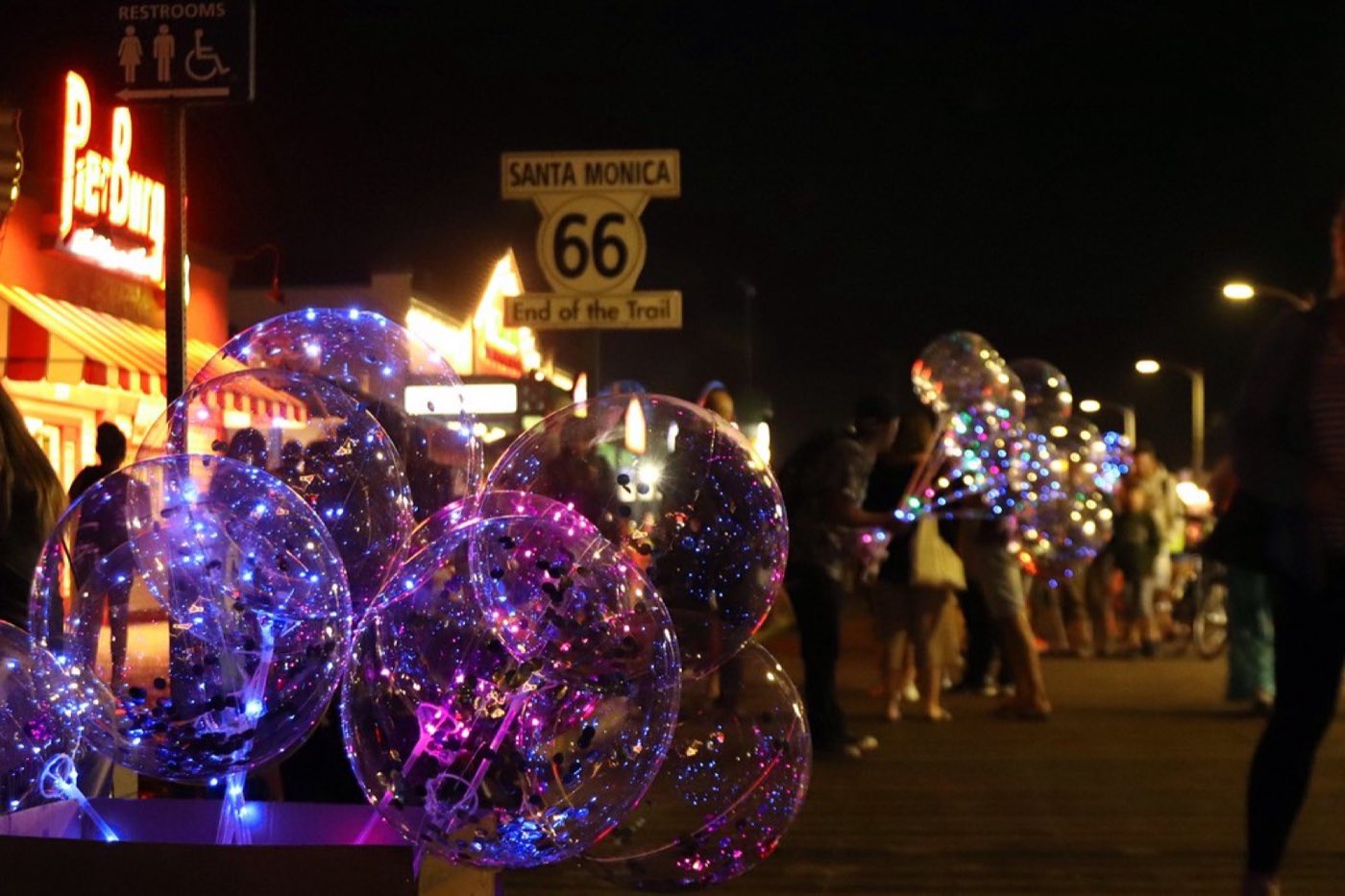
Santa Monica Pier, California at dusk
Coastal City

Santa Monica

A complete city by the sea, from beachfront estates to walkable downtown living.

COASTWALKABLEDOWNTOWN
Area Guide

Living in Santa Monica

Santa Monica is one of the few Los Angeles submarkets where you can genuinely live without a car — the Third Street Promenade, the Pier, and the beach all sit within a compact, walkable core. Housing ranges from beachfront estates north of the pier to mid-rise downtown condos and classic bungalows in the residential neighborhoods further inland.

North of Montana is the city's most prestigious residential pocket — larger lots and a short walk to Montana Avenue's boutiques. Ocean Park and Sunset Park trade some of that polish for a more relaxed, architecturally eclectic feel, while downtown towers cater to buyers who want low-maintenance living within steps of transit and retail.

Coastal proximity brings real tradeoffs: marine-layer humidity, stricter coastal-zone permitting on renovations, and premium pricing for ocean views or beach access. Buyers should weigh those against the walkability, mild climate, and direct beach access that define the city.

What This Location Offers

Walkable access to the beach, dining, and transit within a single-family residential setting, spanning downtown condos to the larger lots north of Montana Avenue.

Market Pulse
How this market feels
DEMAND
Consistently strong, coastal premium
INVENTORY STYLE
Beachfront, downtown condo, inland single-family
BUYER MIX
Owner-occupants, second-home buyers, investors
Santa Monica pricing varies sharply by proximity to the beach and by neighborhood — a tailored comp set matters more here than almost anywhere on the Westside.
Ask About Current Inventory
For Home Buyers

Why choose Santa Monica

Practical reasons buyers put this area on their shortlist — lifestyle, commute, privacy, and long-term fit.

Why buyers choose Santa Monica
Walkability as a lifestyle
The Promenade, the Pier, and Montana Avenue put daily errands, dining, and the beach within walking distance of most residential pockets.
Why buyers choose Santa Monica
Coastal climate
The marine layer keeps summers cooler and winters milder than inland LA — a meaningful draw for buyers prioritizing comfort.
Why buyers choose Santa Monica
Transit and commute options
Metro's E Line provides direct rail access to Downtown LA, while the 10 Freeway offers a driving route toward the Valley — two of the Westside's better commute options.
Why buyers choose Santa Monica
School district factor
Santa Monica-Malibu Unified serves the area; enrollment is address-specific, so buyers should verify boundaries directly with the district before assuming assignment.
Inside the Area

What stands out

Beach proximity premium
Distance to sand measured in blocks, not miles, drives meaningful price differences between otherwise similar homes.
Coastal permitting
Renovations and additions near the coastal zone can involve additional Coastal Commission review — a real timeline consideration.
Architectural range
Craftsman bungalows, Spanish revivals, and contemporary rebuilds sit block to block, especially in the older inland neighborhoods.
Lifestyle

Day-to-day

Walk to the Promenade, Pier, and beach
Metro E Line access to Downtown LA
Year-round mild, marine-layer climate
Santa Monica-Malibu Unified school options
Property Types

What you'll find

Beachfront and near-beach single-family homes
Downtown condos and mid-rise buildings
Craftsman and Spanish-revival bungalows
North of Montana estate lots
Common Questions

Santa Monica FAQ

Is Santa Monica walkable?
Much of it, yes — downtown and the neighborhoods closest to the beach are built around walking and biking, though inland pockets lean more car-dependent.
What's the difference between North of Montana and Ocean Park?
North of Montana is the more formal, higher-priced residential pocket near Montana Avenue's shops; Ocean Park has a more relaxed, architecturally eclectic character closer to the beach.
Nearby

Related Westside areas

Text Call